

Get the latest news to your email inbox FREE!

REGISTER

Get the latest news to your email inbox FREE!

REGISTER
HomestoriesStanthorpe in 1889

Stanthorpe in 1889

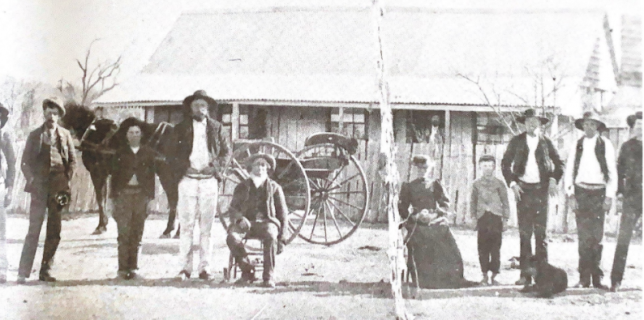
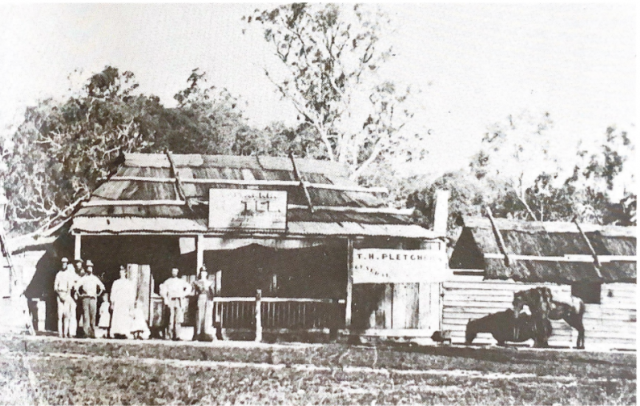
The following is an excerpt from ‘They Came to a Plateau’ (1972) by Jean Harslett and Mervyn Royle.

‘During 1881 – 83, Stanthorpe experienced added prosperity from the much increased population on railway construction and became the terminus for a period.

In 1886 it was deprived of these sources of income when the railway continued to the border.

From 1886 – 93, culminating with the financial crisis in 1893, the widespread financial efforts echoed and were felt even in these far-flung hills.

The period from 1886 and including the two years following 1893, was the most depressed in Stanthorpe’s history, and forced economic diversification.

Those miners with foresight, in the Sugarloaf and Herding Yard Ck’s areas, realising that ground would only last four or five years, commenced buying grazing land and, as they were able, stocking it with cattle.

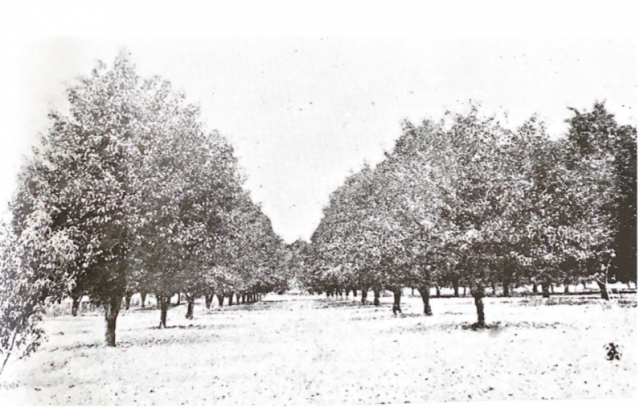
During this period, the idea of fruit growing was being freely advocated.

It had several advantages:

1. The completed railway extensions provided a cheap outlet.

This rail link could never have been achieved by promised tonnages from a developing fruit industry.

Why, even with the immediate prospect of tempting tonnages of minerals, it took years to convince the “powers-that-be” to continue the line from Warwick to the border.

2. Natures bonus was a perfect climate to produce deciduous fruit and vegetables, during hot summer months, when they could not be produced in the rest of the state.

3. The Grazing and Farms Act of 1884, as a result of which 123 selectors took up farms totalling 20,966 acres and 27 grazing farms totalling 95, 079 acres in the Stanthorpe Land Agents District between the years 1885 and 1893,

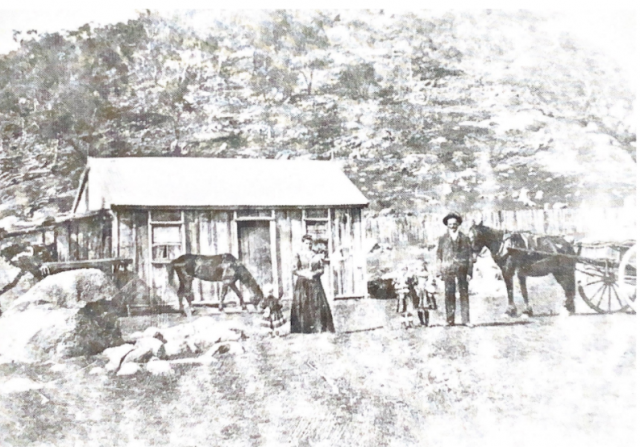
Crown Land was thrown open to the fruit farmer for homestead and selection in areas of 160 and 320 acres at a nominal rent of 6d per ac per year, with an obligation to live on it for five years and to comply with improvements, usually of a stringent but extremely limited nature.

1889: The Viticultural and Horticultural Society with Mr. J. Belford in the chair have as main topics, the need for procuring suitable varieties of young trees and a protest against new railway freights introduced – not reduced.


Previous article
Next article
Digital Edition
Subscribe

Get an all ACCESS PASS to the News and your Digital Edition with an online subscription

Cent auction draws a crowd

Organisers of a community-run cent sale in Killarney are counting their earnings after a hugely successful fundraiser. With a range of prizes up for grabs,...

Four head North

More News

Successful event for Easts

Warwick East Bowls Club is celebrating a successful inaugural Tuesday pairs bowls on 14 April. Club spokesman Ed Diery said the event “went well, with...

Morning tea and style: Fashion parade to support LifeFlight

The list of things to do this mothers day weekend just got a lot more fashionable with Groovy Grannies inviting locals to their Mother’s...

School honours ‘magnificent 42’ who died during WWII

The legacy of 42 past SCOTS PGC students who gave their lives during World War II remained front and centre at a pre-Anzac Day...

Dalveen property hosts Orienteers

A grazing property north of Dalveen will be the venue for this Sunday’s orienteering event being organised by the local Bullecourt Boulder Bounders Orienteering...

YOUR SAY: Letters to the editor

Who decides when we’re in drought?: Meteorological drought in Australia is clearly defined: a prolonged period of significantly reduced rainfall, typically when levels fall into...

Iconic Spitfire replica to soar over Stanthorpe this Anzac Day

During this year’s Stanthorpe Anzac Day March, make sure to look to the sky to see Mark Appo and his replica World War two...

Stanthorpe Anzac Day parade to honour servicewomen

To honour the Anzac Day theme of “Women in the Services, Past and Present”, the Stanthorpe RSL Sub-Branch will have a number of current...

Op shop unearths lost World War I medal

As far as op-shop finds go, original World War I military medals are as rare as they come. So when store manager of Neighbours Aid...

Police pressure on as school resumes

A 22-year-old man was fined almost $2000 and lost eight demerit points after being clocked travelling more than 50km/h over the speed limit along...

The hero within our midst

In 1915 when the Anzac landing at Gallipoli Cove saw Australian soldiers storming the intimidating and dangerous heights above the beach, one man from...